
Circular Two-contact Magnetic Interfaces for Smart Coffee Cups
Published on July 1, 2026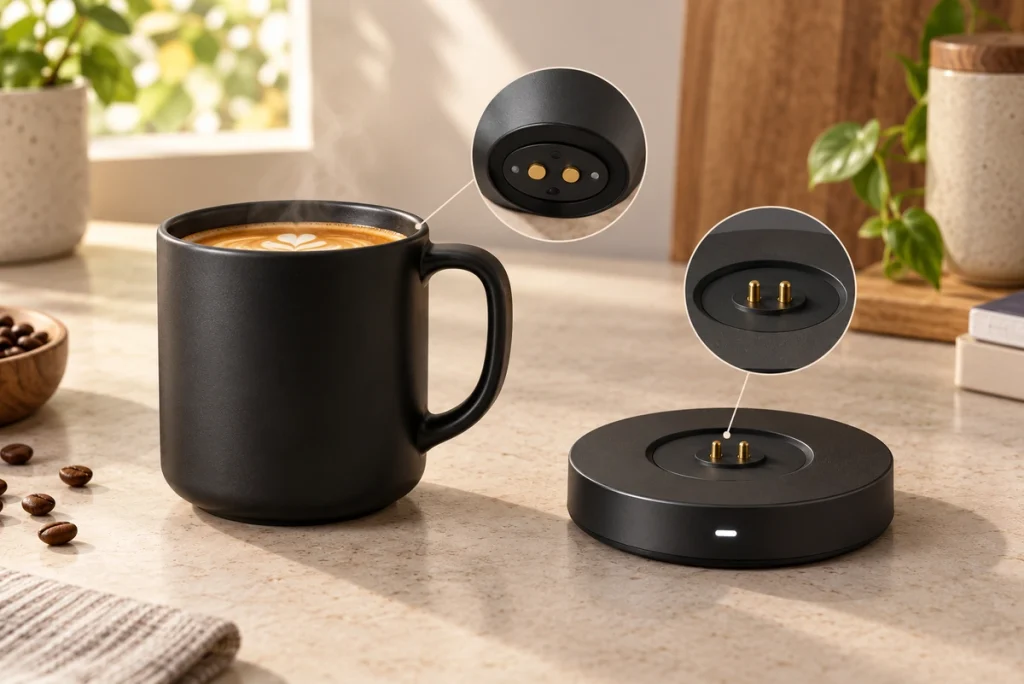
- The Two-contact Magnetic Interface
- Reasons to Consider a Circular Mug Interface
- The Cup and Heating-base Structure
- Connector Requirements for a Smart Cup
- Possible Product-development Priorities
A smart coffee cup needs an interface that is easy to dock and suited to repeated use around liquids. A circular two-contact magnetic design can guide placement on a charging or heating base. Electrical performance, life and water protection depend on the chosen contact structure, controls and complete enclosure, rather than circular geometry alone.
The Two-contact Magnetic Interface
The two-path charging arrangement combines contacts, magnets and a housing. The two contacts are commonly assigned to supply and return for power transfer. It does not provide separate additional signal paths in that assignment, which can keep a charging-only interface compact and relatively simple.
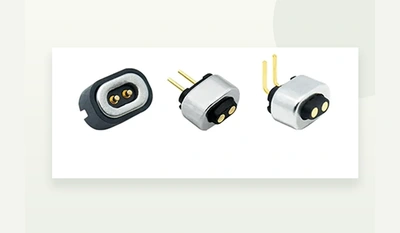
When the cup approaches its matching base, the magnets and locating geometry guide seating. The spring-loaded contacts compress to establish the electrical paths, allowing power transfer without inserting a separate plug into the cup. Check polarity, contact loading and the control system for the actual product.
two-contact magnetic connectorAn example smart-cup system includes:
A circular magnetic interface integrated into the cup bottom.
A matching charging or heating base.
Two conductive contact paths for power.
Magnetic and mechanical locating features.
This arrangement can make docking convenient while supporting an appropriate life and sealing design. Those properties require validation of the assembled cup and base.
Reasons to Consider a Circular Mug Interface
1. Place-to-connect and Lift-to-release Operation
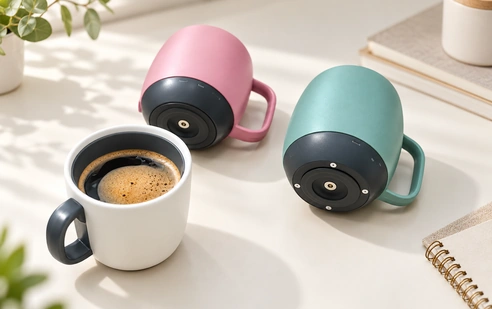
Simple docking is a practical reason to consider magnetic spring contacts for a cup.
The user places the cup on its intended base, where magnetic guidance assists contact alignment. Lifting the cup separates the interface without unplugging a cable from the cup itself. The system must handle attachment and removal as specified by the product design.
This place-and-lift arrangement can simplify everyday use compared with a separate DC or USB plug connected to the cup.
USBPotential handling benefits include:
One-handed placement where the geometry permits it.
Magnetic alignment assistance.
No separate plug insertion into the cup.
A quick, intuitive docking process.
2. Spring-loaded Electrical Contact
A suitably designed pogo contact can maintain engagement during repeated docking when its force, travel and mating surface match the application.
Compared with a fixed contact arrangement lacking compliance, a spring-contact design can support:
Contact pressure within the specified working travel.
Low contact resistance.
Stable current transfer.
The required vibration behavior when validated.
A mating-life target suited to the product.
Daily docking makes life testing important. The source examples include 10,000+ cycles for suitable standard pogo designs and hundreds of thousands for specialized contacts. These are design-dependent examples, not a universal rating; check the exact assembly and allowed performance change.
3. Device-side Sealing
The exposure review should consider:
The product’s permitted washing routine.
Steam.
Beverage spills.
Humidity.
A circular face-contact arrangement can support sealing targets such as IP65, IP66 or IP67 in the specified assembly state. A flush contact face may also be easier to inspect and wipe than a recessed port. Seams and spring structures can still collect contamination, and an IP rating does not automatically permit arbitrary washing, hot-liquid exposure or live operation while wet.
4. Controlled Magnetic Release
The cup and base need an appropriate safety review for cable pulls and everyday handling.
A magnetic interface may release in the intended pull direction at a specified load. A validated arrangement can help limit:
Cable damage.
Connector breakage.
Pull loads that might tip the device.
Related user hazards within the assessed product arrangement.
Check whether release reduces the loads passed to the cup, base and internal circuits. It cannot be assumed to prevent every fall, tip or accident; the force threshold and direction must be tested in the complete system.
5. Repeated-docking Life
Some smart cups may be placed on and removed from a heating base dozens of times each day. Specify the real use frequency for the product.
The validation requirements may include:
A target of 10,000–100,000+ docking cycles for a suitable design.
The expected repeated impacts.
The defined long-term exposure.
Any continuous power or charging duty cycle.
Suitable two-contact designs may target tens of thousands of cycles, while specialized designs may target hundreds of thousands. Longer validated life can help reduce maintenance, but the claimed benefit must follow the selected assembly’s results and real service conditions.
The Cup and Heating-base Structure
The source arrangement describes the following parts on the two sides:
Cup-bottom Assembly
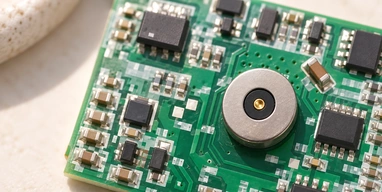
The magnetic connector housing.
Two conductive pogo-contact paths in the specified arrangement.
Permanent magnets.
The required device-side sealing structure.
Heating-base Assembly
A matching magnetic docking area.
Power-supply contacts.
Alignment magnets.
The required charging-control circuit.
Correct locating geometry allows quick placement and removal. When seated, the spring contacts compress through their intended working travel to establish the electrical connection. Confirm that behavior across the assembly tolerance range.
Connector Requirements for a Smart Cup
Review the following inputs for the actual smart-mug or heated-cup design:
magnetic connectorCurrent Capacity
The example current range here is 1A–5A, depending on the heating or charging load. Use the actual voltage, duty cycle and power requirement, then verify the connector’s thermal and electrical performance.
Magnetic Retention
The magnetic force should locate the cup stably while allowing the intended lifting action. Measure it in the final cup and base rather than selecting strength independently of the geometry.
Sealing Requirements
An application may target IP65 or higher, but the real liquid exposure determines the necessary test and protection state. Confirm the complete product’s cleaning and wet-use limits.
Contact Material and Coating
A suitable gold-plating system may support corrosion resistance and stable conduction. Specify its thickness and other layers for the contact wear and exposure, then validate the full assembly.
Mating-life Target
More than 10,000 cycles is an example target in this discussion. Calculate the required docking life from expected use and service period, and request evidence for the selected design.
Possible Product-development Priorities
Requirements worth considering for further smart-drinkware development include:
Convenient docking.
Verified water protection for the defined exposure.
Durability over the required service period.
Safety of the complete product arrangement.
The intended appearance.
A circular two-contact pogo interface may fit a product with a distinctive base or enclosure. Customization can improve fit, but cost, electrical performance and mechanical life depend on the actual design and tooling. User preference or market popularity is not established by this design overview.
Conclusion
Circular two-contact magnetic interfaces offer a useful docking option for a smart coffee cup. Magnetic guidance and spring compliance can support easy placement, while the sealing, electrical limits and life target need application-specific validation.
For temperature-controlled cups, smart mugs and beverage-heating systems, evaluate the connector together with the cup, base and control circuit. A suitably engineered interface can improve handling and durability, but its value must be demonstrated for the product rather than inferred from the contact type.