
Two-contact Magnetic Charging for AI Smart Glasses
Published on June 25, 2026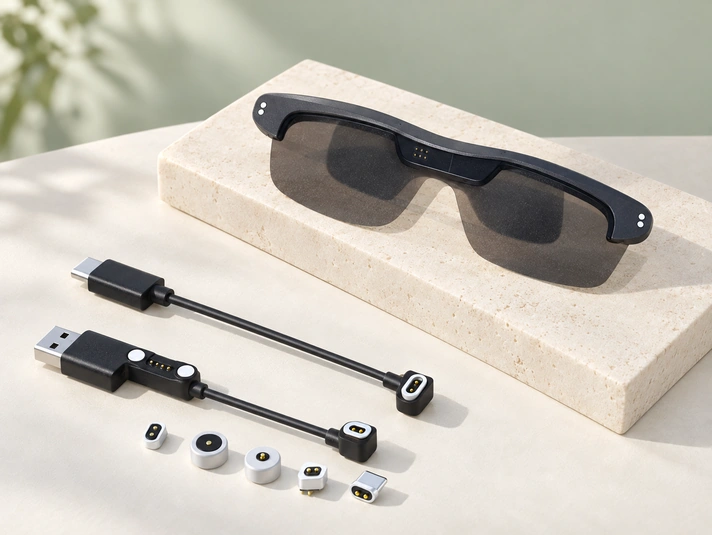
- Why Consider Magnetic Charging for Smart Glasses?
- Operation of a Two-contact Interface
- Five Integration Examples
- Potential User and Manufacturing Benefits
- Selection Requirements for Smart Glasses
- Possible Development Priorities
Introduction
AI smart glasses need a charging arrangement that fits a small, lightweight product and is convenient to connect. A two-contact magnetic design can guide attachment and provide power paths while supporting an appropriate device-side sealing structure. Its current capacity, durability and protection still depend on the exact connector and assembled glasses.
two-contact magnetic connectorsWhy Consider Magnetic Charging for Smart Glasses?
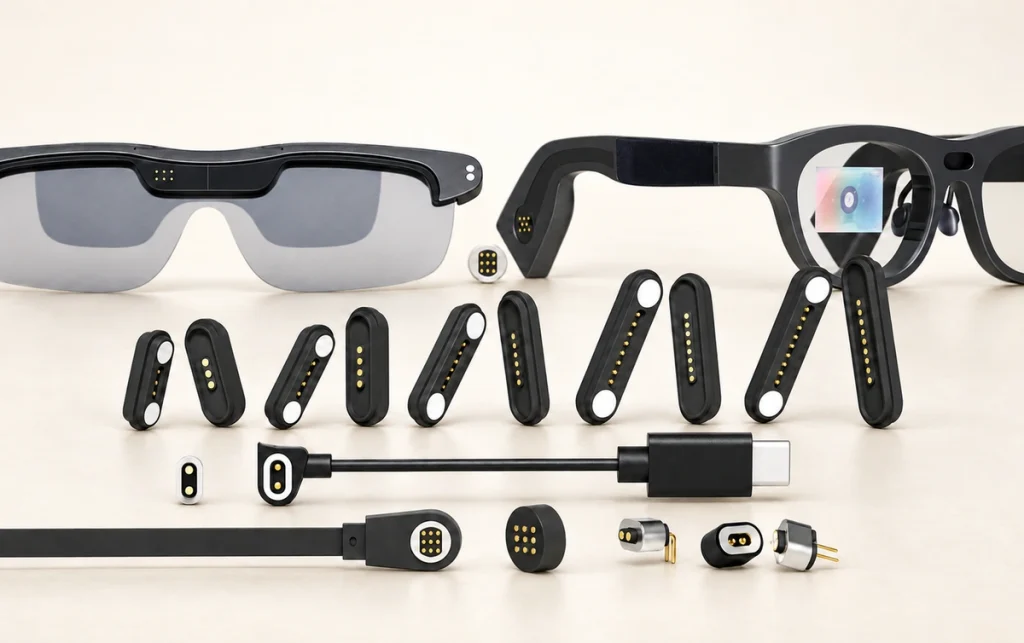
Glasses are worn on the face and repeatedly charged, carried and exposed to everyday conditions. Their charging interface must fit that form factor. An insertion-style port may raise integration issues such as:
Limited space within the frame.
Awkward plug alignment.
Wear from repeated charging connections.
An opening that needs an appropriate sealing design.
Damage from accidental cable pulls.
Magnetic guidance can simplify attachment and limit some insertion-related loads. Check its actual engagement and retention in the frame rather than assuming that it resolves every integration issue.
Operation of a Two-contact Interface
The arrangement normally combines:
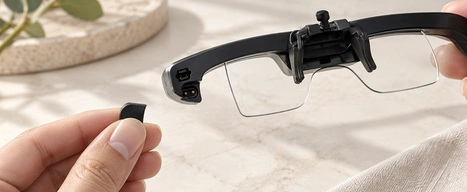
Permanent magnets for alignment and retention.
Two conductive contact paths, which may include pogo contacts.
Corresponding contact faces on the cable, dock or glasses.
Bringing the correctly oriented charging head close lets the magnetic arrangement guide the contacts into engagement. One charging-only assignment is shown below; verify the manufacturer’s actual pinout before wiring the device.
| Contact | Example assignment |
|---|---|
| Pin 1 | Positive supply (+) |
| Pin 2 | Ground / return (−) |
Scroll horizontally to view every column.
This two-path arrangement can suit a charging-only glasses design. It does not provide separate data contacts in addition to the supply and return.
Five Integration Examples
1. Cable Charging Interface
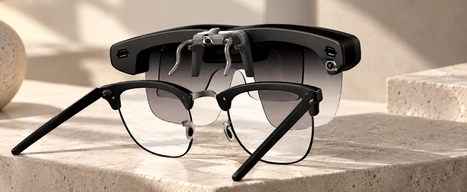
Battery charging is the principal function of the two-path example described here.
Where a compact lithium battery sits within the glasses frame, magnetic charging contacts may provide:
Charging attachment without inserting a plug.
A quick user connection process.
Less insertion-related wear.
A compact external appearance.
The user brings the charging head toward the intended mating face, and the magnets assist seating. The connector and charging electronics must support the required polarity, current and protection.
2. Desktop Charging Docks
A desktop dock is another charging arrangement to consider for AI glasses.
A suitable magnetic interface can support:
magnetic connectorGuided positioning in the dock.
A stable seated charging contact.
Fewer alignment difficulties.
Straightforward everyday charging.
A dock can be useful for glasses charged regularly at home, in an office or in a professional setting, provided its support geometry matches the device.
3. Water and Sweat Exposure
Outdoor use may include activities such as:
Walking.
Running.
Cycling.
Travel.
Sports.
An insertion port requires an opening and suitable sealing provisions. A magnetic contact face may offer a different enclosure arrangement, but neither interface style alone establishes water protection.
USBThe product design may target requirements such as:
IP65 protection in the specified assembly state.
IP67 protection in the specified assembly state.
Resistance to the expected sweat exposure.
Protection against the required dust conditions.
Validate these targets in the relevant assembled product. An IP result does not automatically establish sweat or chemical resistance.
4. A Lightweight Frame
Connector weight and position affect the balance of a wearable frame.
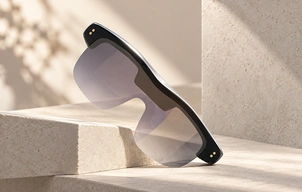
Compared with a larger candidate interface, a suitable compact two-contact design may provide:
A smaller mounting footprint.
Lower component mass.
A simpler internal contact arrangement.
More options for frame integration.
Evaluate those options together with the frame’s weight distribution and intended wearing comfort.
5. Controlled Cable Release
A magnetic interface can be designed with a breakaway action in an appropriate pull direction.
Under an accidental cable pull, a validated release arrangement may:
Separate at the intended release load.
Limit load on the charging-port structure.
Reduce stress passed to internal components.
Reduce pull-related repair or warranty incidents.
This can be useful in portable wearables, but release force and direction must be tested against normal handling and foreseeable pulls.
Potential User and Manufacturing Benefits
Convenient Attachment
Magnetic guidance can make charging easier to connect without closely inspecting the mating face. Verify blind-mating behavior at the permitted approach positions.
Repeated-mating Design
A face-contact interface avoids some insertion friction but still experiences contact compression and wear. Its life depends on the selected structure and operating conditions.
Illustrative targets to review include:
5,000–20,000+ mating cycles for a suitable validated design.
Contact resistance within the defined limits.
Charging performance maintained through the specified service test.
Frame Appearance
A magnetic contact face can be integrated discreetly into the glasses frame. The final appearance depends on the housing geometry and required accessible mating area.
Manufacturing Options
Possible parameters to customize include:
Connector dimensions.
Magnetic holding and release force.
Contact pitch.
Housing materials.
The sealing structure.
Surface finishes.
Specify those changes for the actual glasses geometry and validate the resulting assembly.
Selection Requirements for Smart Glasses
A two-contact interface should be reviewed against these design requirements:
Charging Current
Example charging-current values discussed for this application are:
0.5A.
1A.
2A.
3A.
Use the actual battery-system requirement and connector rating. Verify contact resistance and temperature rise at the chosen load rather than assuming all AI glasses use one of these values.
Magnetic Force
Balance the retention requirement with the intended release action:
Enough force to retain stable charging contact under normal use.
A removal force that does not make operation unnecessarily difficult.
Water Protection
The exposure specification may require:
IP65.
IP67.
IP68, with defined immersion conditions.
Choose the target from the real exposure and confirm the protected parts and test state of the product.
Durability Validation
Relevant checks may include:
Mating-cycle testing.
Salt-spray exposure where required.
Temperature cycling.
Drop testing.
Vibration testing.
Possible Development Priorities
Glasses integrating functions such as translation, AI assistance, computer vision or AR displays still need a charging interface suited to their power budget and frame design. Those features do not establish a market forecast or change the need for a verified electrical specification.
Further interface development might focus on:
Higher validated charging-current capacity.
Smaller contact geometry.
Improved resistance to specified corrosion exposure.
Better water protection in the intended assembly.
Integration with a smart charging dock.
These are possible design priorities for future lightweight wearables, not claims that a current two-contact part already provides every feature.
Conclusion
A two-contact magnetic interface is an option for compact, charging-only AI glasses. Magnetic guidance and suitable contact placement can support convenient use and frame integration, while sealing, mating life and electrical performance need application-specific validation. Magtor can discuss connector dimensions, pinout, current and exposure requirements to help manufacturers evaluate a matching design.
Magtor